 Stage Talk with Rick Koster
Where every show has something to say.
There are many ways to enjoy the story of Cinderella. The timeless fairy tale appeals not only to children but adults as well — and its message has coined the phrase “a Cinderella Story” to describe the triumph of long-deserving but overlooked underdogs everywhere.
In terms of staging Cinderella, The World Ballet Company’s production, coming to the Garde at 7 p.m. May 14, is a stunning amalgam of aesthetic possibilities. As choreographed by the WBC’s Marina Kesler, the story flows through the dancers’ otherworldly blend of athleticism and artistic interpretation of Johann Strauss II’s glorious score. The production also takes on a magical quality as enhanced by a kaleidoscopic array of hand-sewn costumes and Broadway-style sets and backdrops.
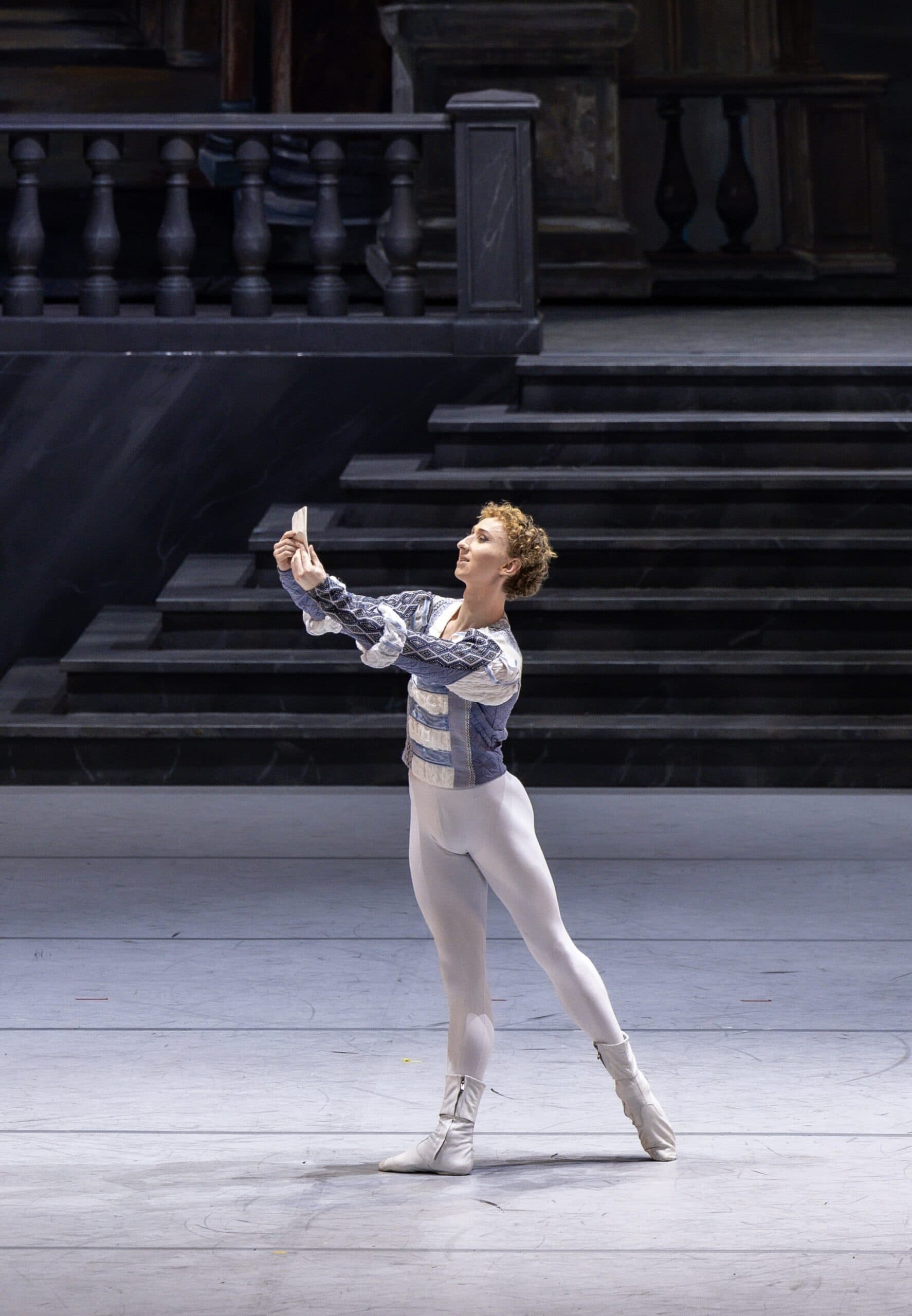
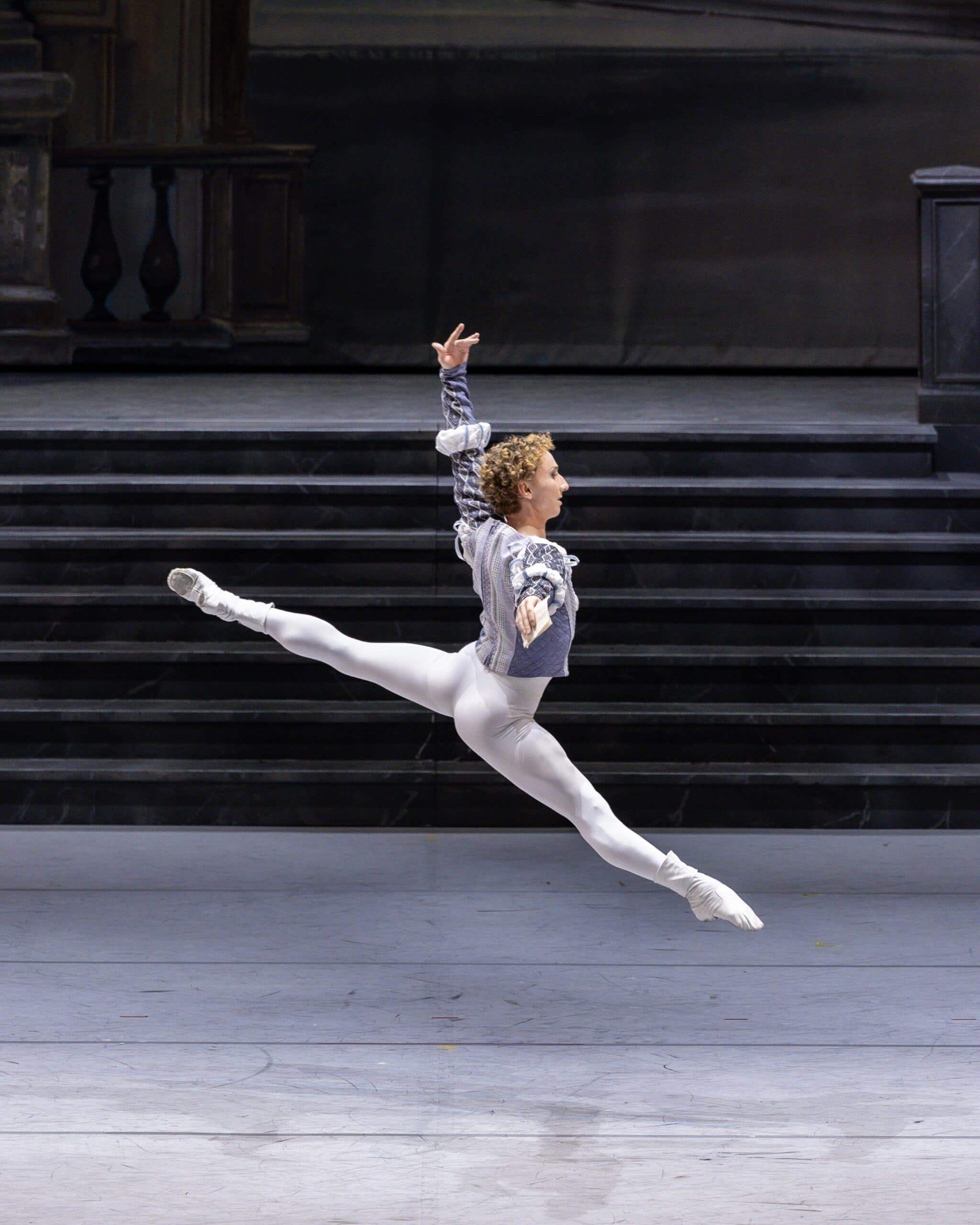
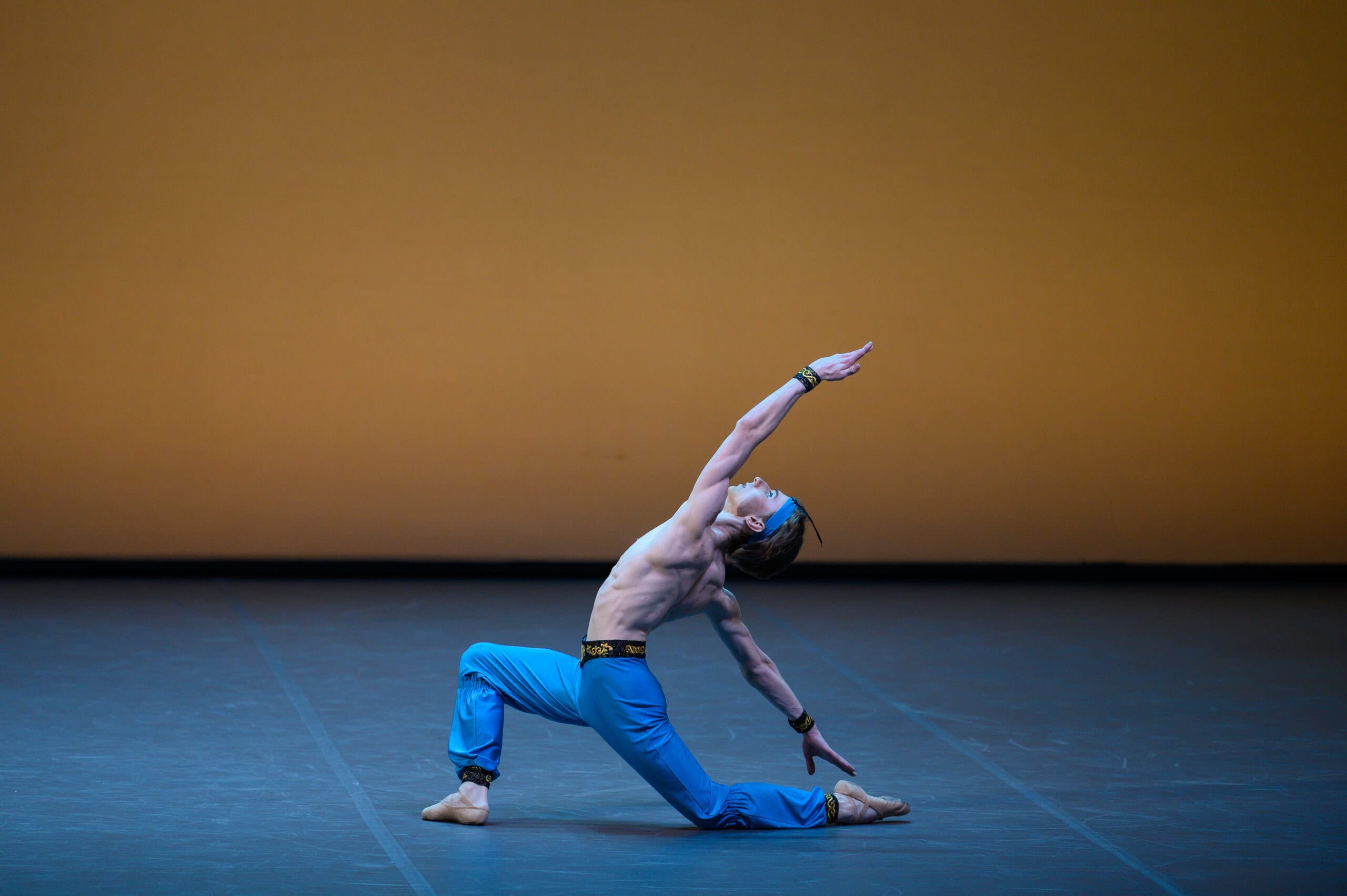
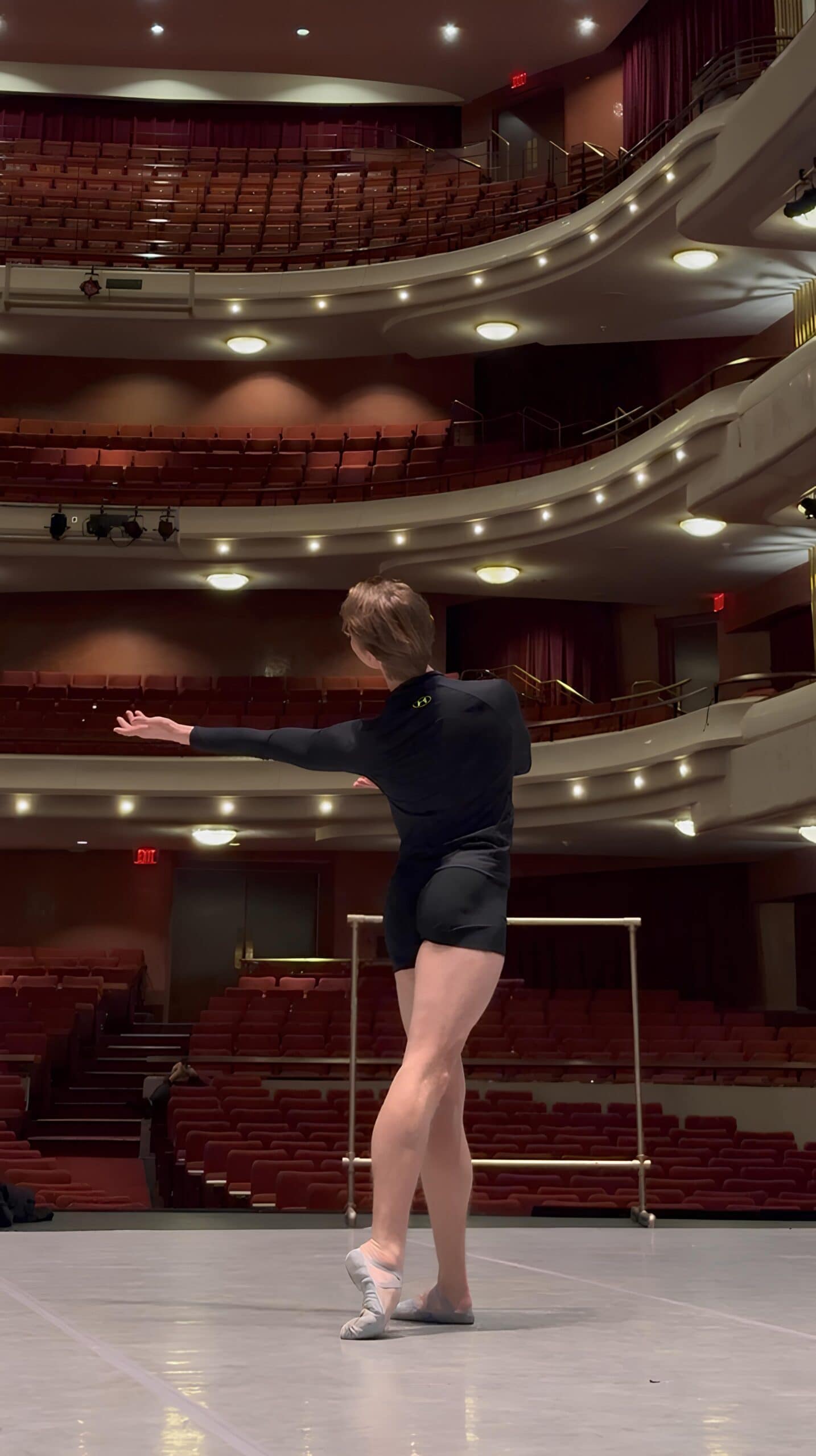
In anticipation of the Garde presentation, we held an email back and forth with the Iskandar Anvarov, a World Ballet Company soloist who will portray the prince. Anvarov started his ballet training at the Ufa Choreographic College named after Rudolf Nureyev and then matriculated to the prestigious Bolshoi Ballet Academy in Moscow.
In addition to Cinderella, Anvarov’s repertoire encompasses a wide range of works including Swan Lake, The Nutcracker, Romeo and Juliet, Giselle, La Bayadère and La Sylphide. A laureate of international ballet competitions, Iskandar also took part in the Bolshoi Ballet Academy Summer Intensives in New York in 2019 and 2023.
The Garde: For dramatic onstage moments, the grand pas de deux between your prince and Cinderella is hard to argue with. But it’s a pretty complex and physically demanding, too, right?
Iskandar: Yes, the prince and Cinderella grand pas de deux is one of the most demanding and technically challenging moments of the ballet. It combines difficult technique, a wide variety of jumps and turns, virtuosic lifts, balance control, and simultaneously requires complete emotional presence. For me, it’s important not only to perform everything cleanly and precisely, but also to make it look effortless and natural for the audience.
Garde: How early in the rehearsal process did you recognize chemistry with Haruka Nomura, who plays Cinderella and is your partner in the grand pas de deux? Even though you both know the choreography, is it a dynamic that might be awkward at first but smooths out with time?
Iskandar: It feels like there is never enough time before the premiere. During the first days, there was naturally a certain awkwardness, since my partner and I had never worked together before. Dancers need time to get used to each other, develop coordination, and build trust.
For us, that process took about two days. After that, we started to feel much more comfortable, and in my opinion, the chemistry between us developed quite naturally and successfully.
Garde: Is there any room for variation or even improvisation in your Prince?
Iskandar: In the Prince’s variation itself, there’s not much room for improvisation — everything is very precisely built musically and choreographically. But throughout the ballet there are many more playful, alive moments: scenes with the stepmother, the sisters, and the Prince’s friends. Our cast brings so much personality to their roles that sometimes spontaneous reactions, little jokes, or playful interactions naturally happen on stage. That’s what makes every performance feel a little different and special.
During rehearsals with Marina Kesler, I also slightly adapted some movements in the variation to better fit me. This made the movements feel more natural and comfortable.
Garde: Talk about the role of the prince. How do you provide depth to his character, and is that something you work on over the course of rehearsals and even once a tour has started?
Iskandar: For me, the prince is more than just a fairytale character. I’m interested in showing how he changes after meeting Cinderella and falling in love at first sight. It’s important to show not only his confidence and nobility, but also a more vulnerable side — the moment when he loses Cinderella and goes searching for her.
I think a character is built through details: movement, eye contact, and reactions to your partner. That work starts in rehearsals with the choreographer and coaches, but it continues even after opening night. With every performance, the role becomes more alive and layered.
Garde: Based on your own experiences watching audiences, are there moments in your Cinderella that surprise you with their resonance beyond just the story line? Maybe particular dance movements that you know in advance are going to delight the crowd?
Iskandar: Yes, moments like that definitely exist. One of my favorites is the prince and Cinderella’s first meeting, when they almost want to kiss each other but are both a little shy because of this new feeling. The audience really picks up on moments like that, especially when they’re supported by the lighting, music, or visual effects — like the heart projection you’ll see in the production.
There are actually a lot of small details like this throughout the ballet. I think those moments are what make the story feel more real and create a genuine emotional connection with the audience.
Garde: Timothée Chalamet notwithstanding, I think ballet is a remarkable artform that can enchant young audiences and draw them if not to dance than to the arts in general. Is it different watching young people get blown away by what you’re doing even if they don’t have the sophistication of an older demographic of long-time ballet lovers?
Iskandar: Yes, the reaction from younger audiences feels different — it’s very lively and emotional. Young viewers often react right in the moment, and sometimes even more strongly than more experienced audiences.
I think that’s really great, because ballet truly can captivate and surprise young people — even without Timothée Chalamet in the audience.
Garde: Any thoughts you’d like to share that you’d like Garde audiences to know?
Iskandar: I’d like Garde audiences to just relax and experience the story together with us. You don’t need to know anything special about ballet — the most important thing is simply to feel something and be in the moment.
If people leave the theater with emotions or a strong impression after the performance, then a real connection happened between the stage and the audience. See you at the show!